Cargando...

Cargando...
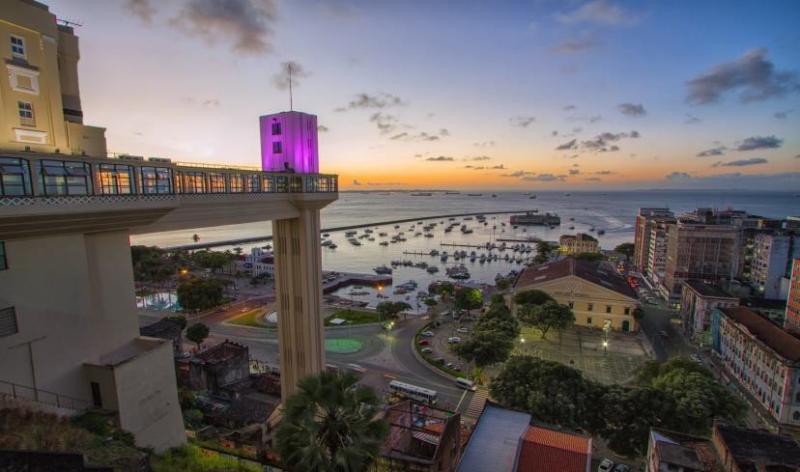
From the cobbled streets of Pelourinho to the views over All Saints Bay at Ponta de Humaitá, Salvador offers many ways to explore Bahia’s history and culture. If you use a wheelchair or have limited mobility, planning ahead helps you account for steep streets, arrange adapted transport and identify stops with accessible restrooms.
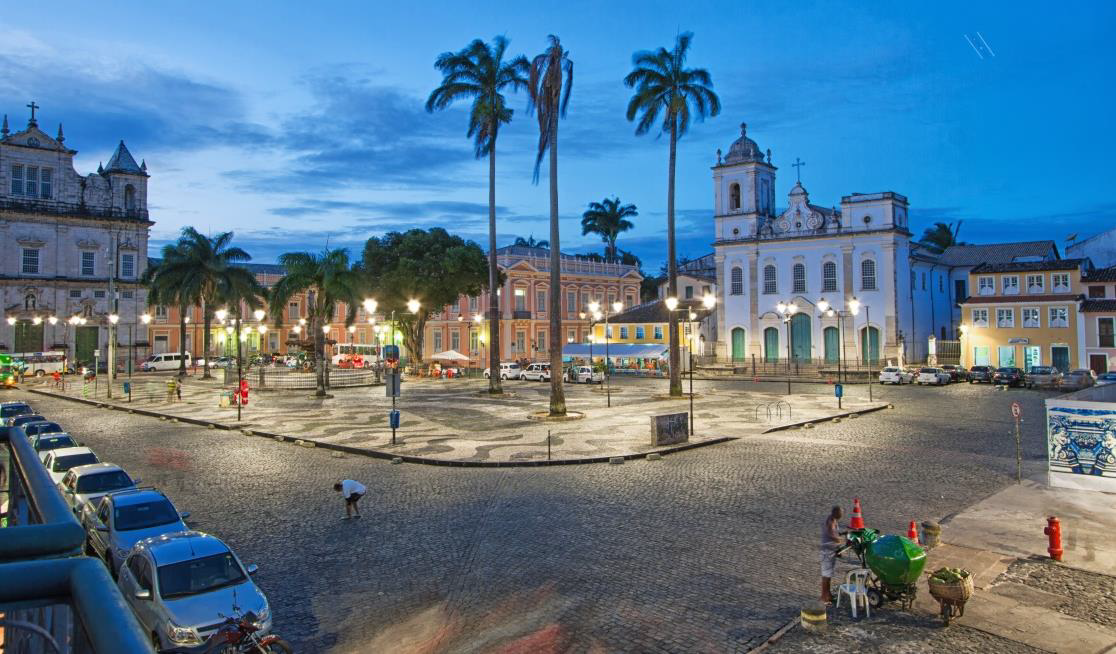
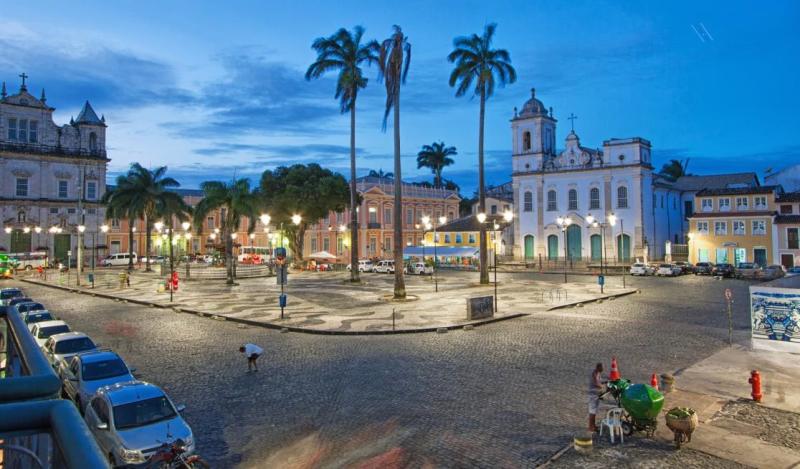
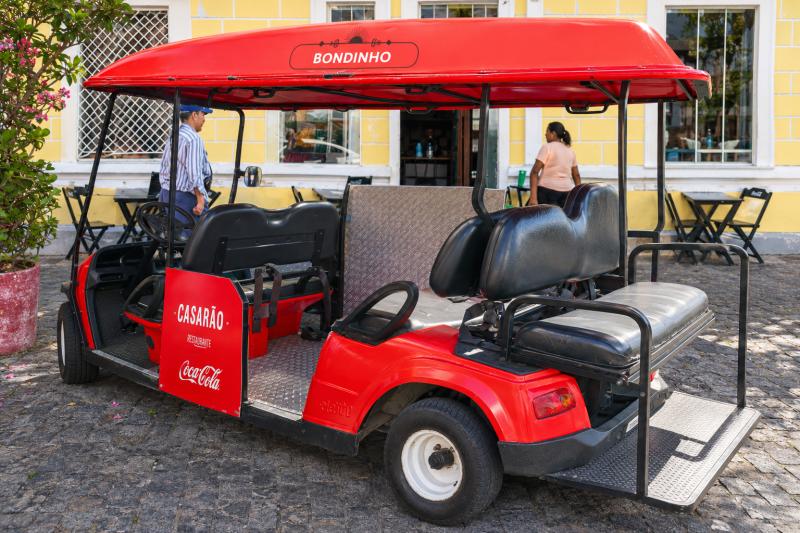
Terreiro de Jesus is a starting point for exploring Salvador’s historic center. Steep streets and cobblestones can make wheelchair travel difficult. A guided 1-hour-and-15-minute golf cart tour takes you past Pelourinho’s main historic landmarks, with commentary along the way.
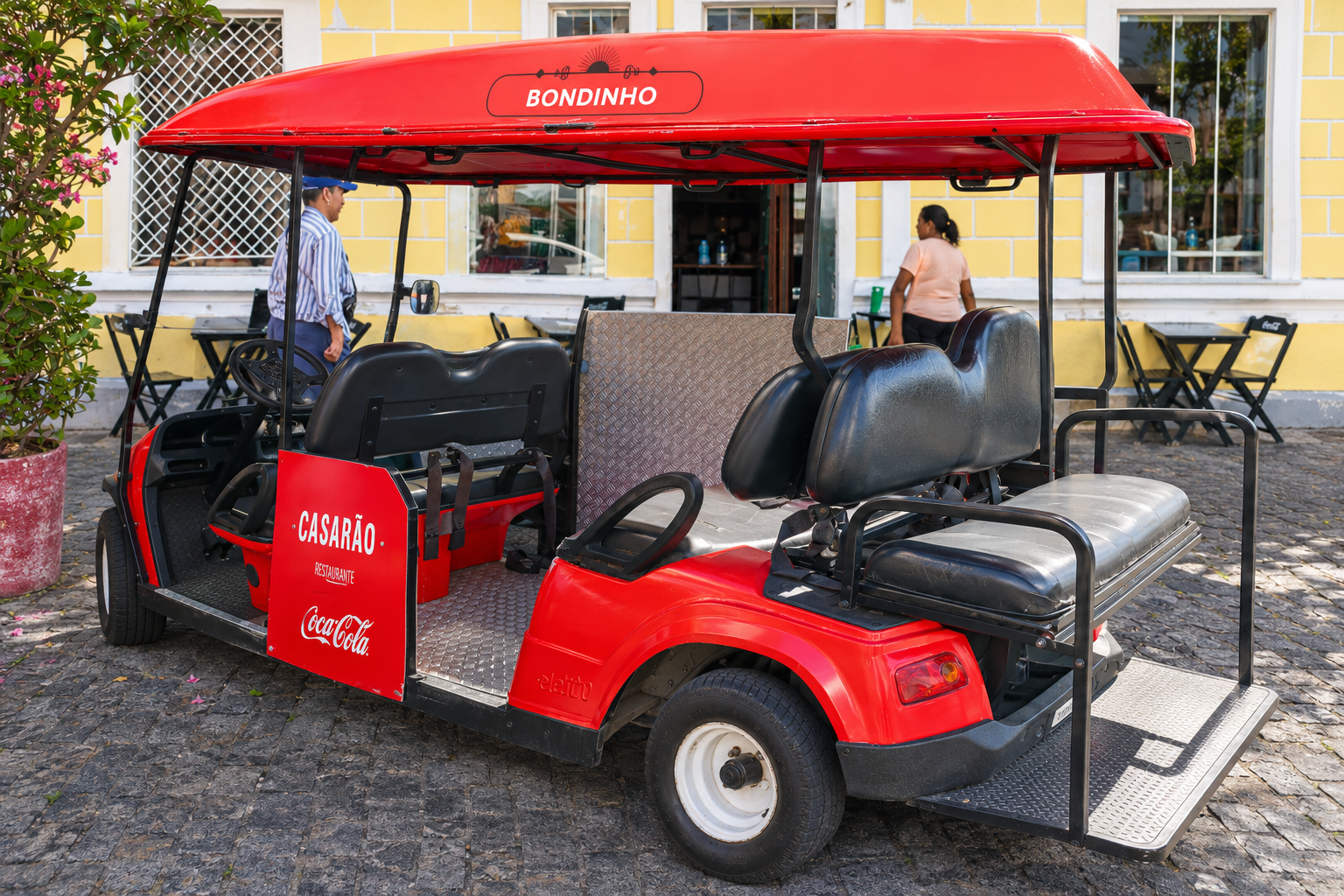
A 2-hour-and-30-minute option continues to Santo Antônio Além do Carmo. Before booking, share your wheelchair type and dimensions and let the team know whether you can transfer to the golf cart seat. This helps the team check boarding arrangements and wheelchair storage. If you plan to go inside churches or museums, check access at each venue.
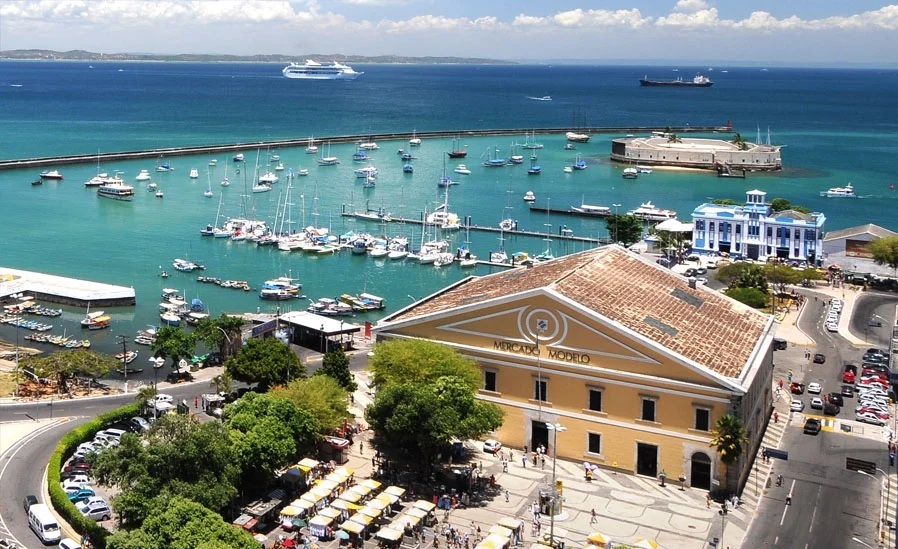
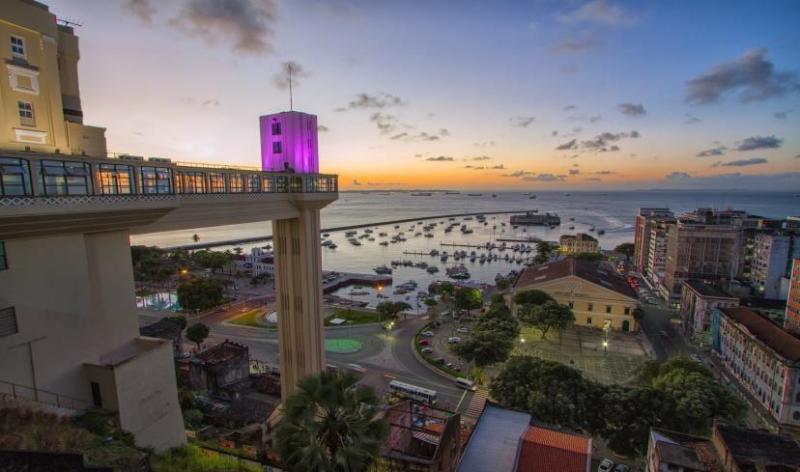
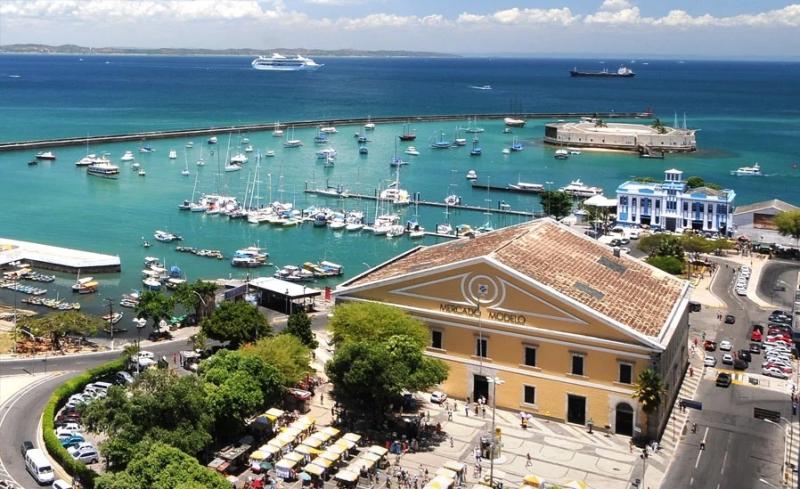
The outdoor area around Farol da Barra is a scenic stop for photos and views of the coast. For a different part of the city, an adapted-vehicle tour of Cidade Baixa can take you along the Ribeira waterfront, to the Church of Senhor do Bonfim and to Ponta de Humaitá overlooking All Saints Bay.
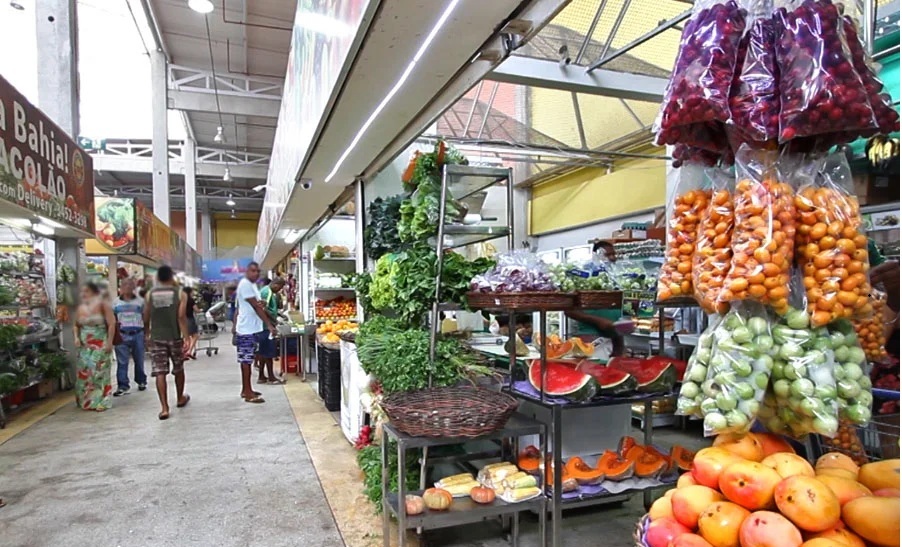
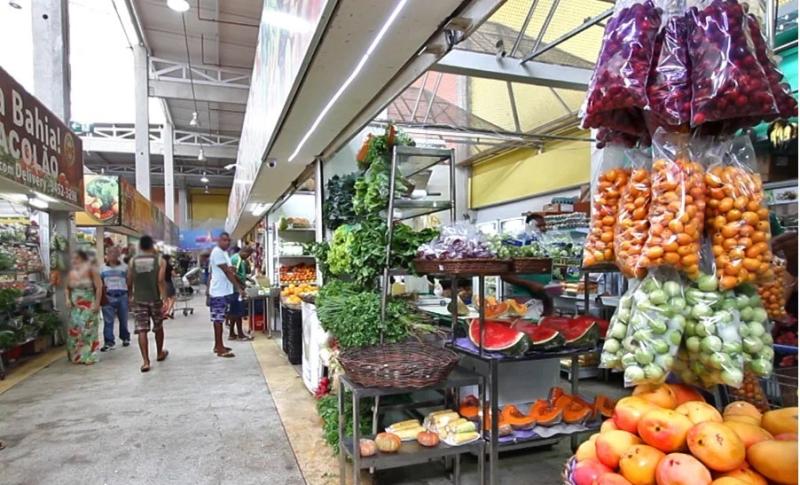
Mercado Modelo is a good stop for Bahian crafts and has an accessible restroom. If you need a restroom break during the tour, you can plan the stop in advance.
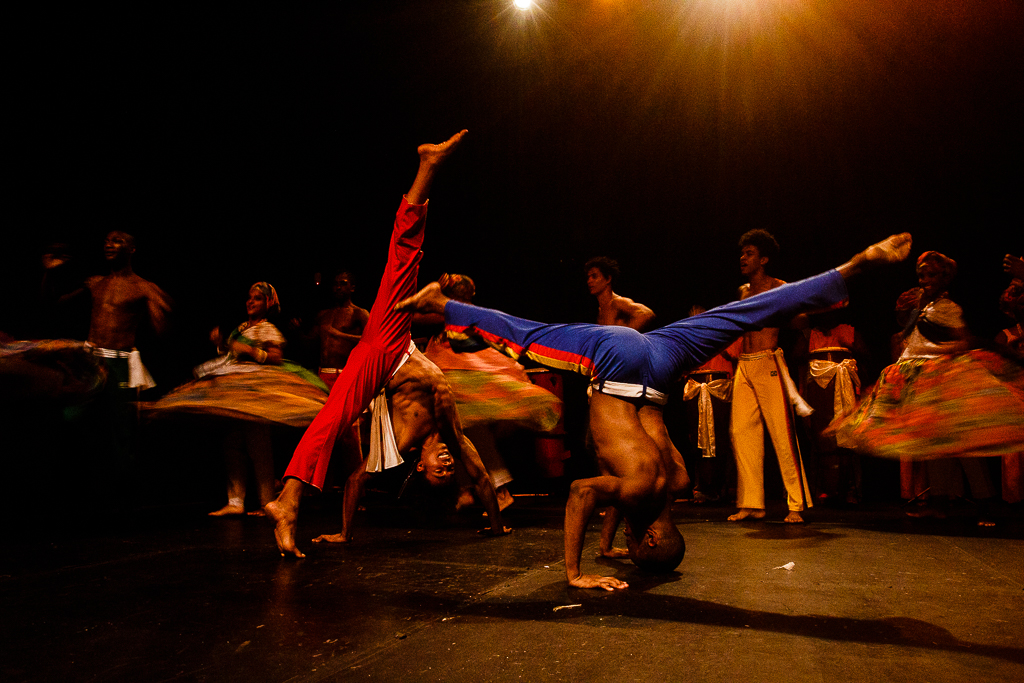
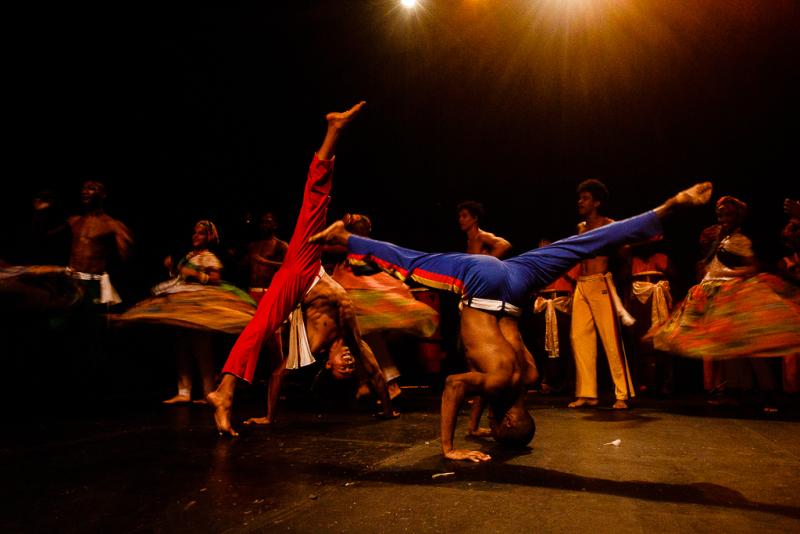
The Bahia à Noite experience pairs a traditional Bahian dinner with a performance featuring capoeira, maculelê, samba de roda and dances of the orixás. The restaurant has access for guests with limited mobility. There are steps at the theater entrance. Check the entrance arrangements before booking if you need step-free access.
Four days and three nights give you time to explore the historic center, spend an evening at the Balé Folclórico da Bahia and keep a day free to relax or add another tour. When choosing accommodation, check that the adapted room meets your needs and arrange transfers based on your wheelchair and luggage.
The Accessible Salvador da Bahia package includes three nights in an adapted oceanfront deluxe room at Novotel Salvador Rio Vermelho, private adapted airport transfers, the historic tour with a golf cart ride and the Bahia à Noite experience. Explore the Accessible Salvador da Bahia itinerary.


O conteúdo desse portal pode ser acessível em Libras usando o VLibras